- HR Brain Pickings
- Posts
- 👀 Are you watching your employees too closely?
👀 Are you watching your employees too closely?
Here's what every HR pro needs to know before your monitoring strategy becomes your biggest liability.
Hey HR folks!👋
Hope your coffee kicked in before your first meeting did! ☕️
Today we are diving into something that’s becoming part of everyday work, and yeah, it’s not exactly subtle anymore. Employee surveillance isn’t new, but it’s getting sharper, smarter, and a lot harder to ignore.
We’re getting into what this actually looks like on the ground, from productivity tracking to full-on “bossware,” why companies say it’s about safety and transparency, and why employees aren’t fully buying that story.
Because somewhere between “we’re just trying to help” and “why is my keyboard being judged,” things are getting a little… tense. 😨
Today’s edition is presented by Workable
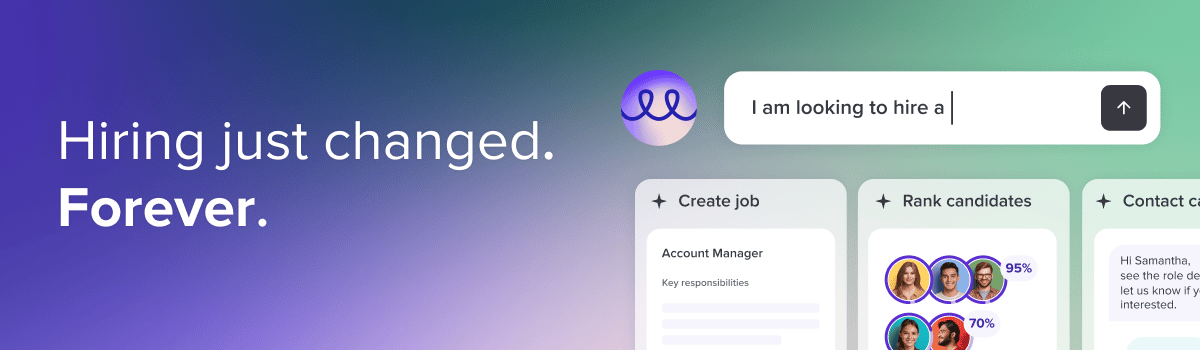
Workable has spent more than a decade helping thousands of companies make better hiring decisions. Now, it’s introducing Workable Agent, an AI recruiting agent built directly into the ATS.
Workable Agent brings agency capability directly inside your hiring platform, coordinating key recruiting workflows—from defining job requirements and sourcing candidates to engaging talent and delivering qualified candidates ready for interview.
By working alongside hiring teams within their existing processes, it helps organizations scale recruiting efforts, move faster to qualified shortlists, and reduce manual work.
👇️ Coming up
In today’s edition
👁️ The uncomfortable reality of being watched at work
🛋️ The Break Room: How far is your org going with employee monitoring right now?
📚 Human Readsources: AI reshaping the workforce at Meta, Medicaid coverage losses on the horizon, and a religious accommodation lawsuit over workplace cameras."
💭 Opening thoughts
👁️ The uncomfortable reality of being watched at work

Over 80% of employers use some form of employee monitoring software, and most employees have no idea how much data is actually being collected on them.
What started as a productivity solution has evolved into a strategic liability, with surveillance practices increasingly linked to declining trust, higher turnover, and damaged employer brand.
HR sits at the center of this tension. Most are responsible for both implementing these tools and protecting the employee experience they can so easily undermine.
Today we will look at what the research actually says about workplace surveillance, where the real risks lie, and how HR leaders can make smarter, more human-centered decisions about monitoring in their organizations.
For easy reading
🧠 Let’s unpick
Workplace surveillance never started with bad intentions. When remote work exploded, a lot of organizations genuinely needed ways to stay connected to their workforce and keep operations running. But somewhere between "let's make sure our teams are supported" and "let's track every keystroke, badge swipe, and bathroom break," things got…. complicated. 😬
Now HR is sitting in the middle of a growing tension between what employers want to know and what employees are willing to tolerate, and the gap keeps getting wider. ↔️
As the power shifts back toward employers, monitoring tools are expanding. Which means the decisions you make about surveillance right now? They're going to define your workplace culture for years to come.
Here's where it gets really uncomfortable.
The data isn't flattering. Surveillance tools that are supposed to protect workers are often doing the opposite, and the harm isn't even distributed equally.
🔴 Workers of color, women, older employees, and people with disabilities are disproportionately flagged or penalized by flawed productivity algorithms, turning what looks like neutral monitoring into a systemic fairness problem.
🔴 The tech is getting more invasive, not less. Employers can now extract work-related data from personal devices without wiping them entirely, a capability most employees have no idea exists.
🔴 Meanwhile, even high-profile "well-being focused" systems like JPMorgan's new junior banker monitoring program - framed explicitly as a tool to prevent overwork, are drawing skepticism from experts who say the scrutiny itself creates pressure, not relief.
Good intentions, messy outcomes. 🫠
So what does this mean for you as an HR leader?
🟢 Surveillance strategy can't live in a silo with just IT or Legal anymore, it has to be an HR conversation, front and center. The regulatory landscape is a patchwork mess (federal agencies don't even have dedicated systems to track surveillance-related complaints yet), and the legal exposure around personal device monitoring is real and growing.
🟢 More importantly, the trust damage from getting this wrong is incredibly hard to undo. Employees who feel surveilled rather than supported don't stay quiet, they disengage, they leave, and sometimes they talk.
Before your organization adds another monitoring layer, ask yourself: are we using this data to help our people, or to catch them? The answer to that question tells you everything about where your culture is actually headed.
You can read more at...
🎬 Lights, camera, action!
Takeaway (and try this 👇)
🔍 Pull IT, Legal, and HR into the same room to map exactly what's being monitored, on which devices, and whether employees actually know about it — if you can't answer those questions clearly, you're already behind.
⚖️ Before any performance decision gets made using surveillance data, run a quick fairness check to see whether your productivity metrics could be disproportionately flagging women, workers of color, older employees, or people with disabilities — unaudited benchmarks are a liability waiting to surface.
📱 If your BYOD policy hasn't been updated in the last two years, it almost certainly doesn't reflect what employers can now technically extract from personal devices, so close that gap before an employee finds out the hard way.
🪞 Next time surveillance tools come up in a leadership meeting, push the room to answer one question honestly: are we using this data to support our people or to catch them? The answer will tell you more about your culture than any engagement survey ever could.
📣 If you're rolling out or expanding any monitoring tools, build in a real feedback channel where employees can flag concerns about accuracy or fairness — and make sure someone is actually acting on what comes through, because transparency without accountability is just theater."
👀 Too long didn’t read
TLDR
👀 Workplace surveillance is expanding fast, and the gap between "we're monitoring you for your own good" and actual harm (especially for marginalized workers) is wider than most employers want to admit. Before your org adds another layer of bossware, HR needs to be the one asking the hard question: are we using this data to support our people, or to catch them?
☕The break room
What’s your take?
📚 Additional reading
Human Readsources
🤖 Meta Layoffs Signal End of Social Media Era (**The HR Digest**) - Meta shifts from social media to AI infrastructure through massive layoffs.
🏥 Millions Could Lose Medicaid Under New Work Requirements (HR Dive) - Millions could lose Medicaid under work requirements, eligibility changes.
⚖️ Allstate Sued Over Religious Camera-Off Firing** (**HRD America - Ex-Allstate employee sues over religious camera-off accommodation denial
That’s it for today.
Thanks for reading to the end and we hope today’s edition sparked some new ideas for your workplace! 🧠
We know you’re super busy and really appreciate you saving some room for us in your inbox 😀
On a scale of 1 to HR, how much do you like this edition? |
Reply